



Featured content

Why nitrites in processed meat are back in the spotlight and what reformulation requires
As scrutiny of nitrites grows, Ben Cornwell examines the evidence, how current UK and EU regulations differ and what’s required to reformulate processed meat without them.
 Article
Why food testing programmes need to get smarter, not just bigger
How can manufacturers make food testing smarter? Mondelēz Europe’s Nia Owen-Cortez explains how data, governance and risk-based thinking can strengthen testing programmes.
 Opinion
The bitter taste of sustainable coffee
The world wants and needs more sustainable food production, but who should pay for it? Chris Elliott examines the growing cost burden on coffee farmers and what must change to ensure the prized cup of joe can be produced responsibly for generations to come.
 Article
GLP-1 food products must deliver more from less, but what can they claim?
GLP-1 use changes how some consumers eat, New Food examines how nutrition science can translate into viable products, with Osborne Clarke’s Charlie Hennig unpacking the claims and regulatory challenges.
News
 News
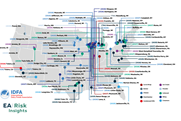
NewsUS dairy processors invest $15 billion in manufacturing expansion across 23 states
US dairy processors are betting big on future demand, with more than 85 manufacturing projects planned or underway through 2030 to expand capacity and tap into growing markets.
 News
NewsAI forecasts rise in Salmonella antimicrobial resistance across China by 2050
AI modelling identifies 84 Salmonella resistance traits predicted to increase across China’s food chain by 2050, highlighting potential gaps in food safety surveillance programmes.
 News
NewsUPM, Ingredion and Paramelt explore starch-based grease barriers for paper food packaging
UPM, Ingredion and Paramelt are developing starch-based grease barriers for paper food packaging, aiming to improve performance and recyclability as demand for sustainable alternatives grows.
 News
NewsCalcium-rich whey permeate helps maintain bone density in postmenopausal women
A clinical trial involving Arla Foods Ingredients found dairy-derived calcium matched conventional supplements in supporting bone health, highlighting potential functional food applications.
From our partners
 Webinar
Detecting the presence of PFAS in chicken eggs
Free webinar: University of Connecticut researchers test chicken eggs for 28 PFAS compounds and compare two UHPLC-MS/MS extraction methods.
 Article
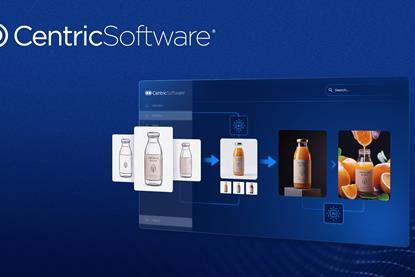
Generative AI can help food teams test concepts before the first physical sample
Generative AI can put product and packaging concepts in front of R&D and marketing before any physical sample exists.
 Article
The science behind consistent snack manufacturing
Discover how METTLER TOLEDO balances and halogen moisture analysers help snack manufacturers monitor quality, make faster decisions and maintain more consistent production.
Latest reports
 Report
Is your food testing programme a map of current risk or an archive of past concerns?
A practical guide for QA, QC and laboratory leaders navigating rapid reformulation, complex matrices and escalating regulatory scrutiny.
 Report
Global Food Supply Chains in 2026: building resilience under pressure
Climate shocks, geopolitical tensions and supply chain disruption are reshaping global food systems. The Global Food Supply Chains in 2026 report explores how the industry is responding as resilience becomes an increasingly urgent priority.
 Report
Scaling Biotechnology and Novel Foods: inside the industrial reality of food innovation
New food technologies are advancing rapidly but scaling them remains the industry’s defining challenge. This report explores how to turn promising science into industrial reality.
Upcoming Webinars

Detecting the presence of PFAS in chicken eggs
Free webinar: University of Connecticut researchers test chicken eggs for 28 PFAS compounds and compare two UHPLC-MS/MS extraction methods.
Detecting the presence of PFAS in chicken eggs
- Previous
- Next
On-demand Webinars




Join now
Unlock exclusive industry insights
- Bookmark articles and resources to access anytime
- Enjoy free access to industry leading resources, webinars and insights
- Stay informed with in-depth coverage of food safety, quality, innovation and regulatory change from across the global food and beverage industry
- Receive updates and recommendations tailored to your professional interests